Source Custom Logo Fishtail Dress for Beach, Party, and Events
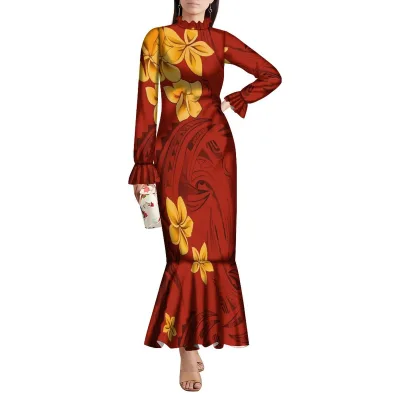
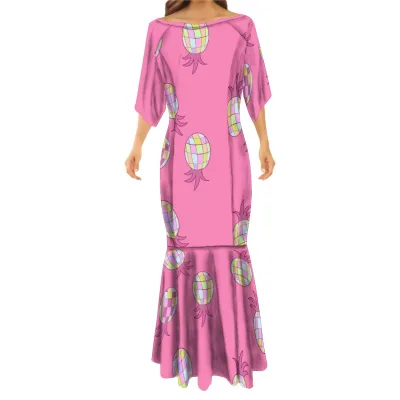
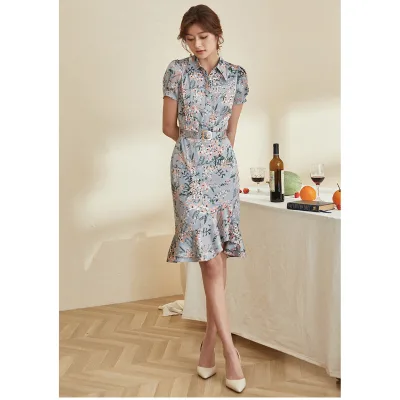
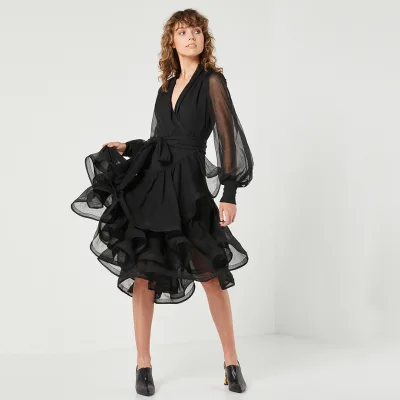
Explore 30 listings for custom logo fishtail dress options featuring varied styles like hooded, sexy, and luxury designs. Buyers can compare fabric types, sleeve lengths, and customization services from verified manufacturers in China; compare the available evidence and request quotations based on your requirements.
Key considerations
Products List







Comprehensive Sourcing Guide
Custom Logo Fishtail Dress Sourcing Guide
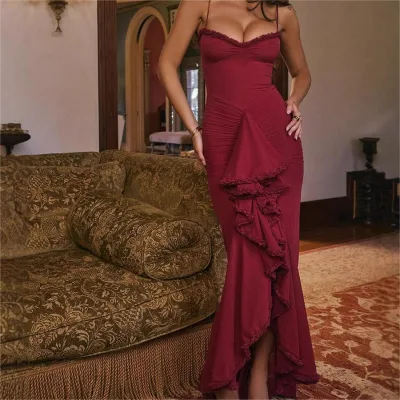
Sourcing a custom logo fishtail dress requires balancing aesthetic precision with functional garment construction, particularly when integrating branding into a silhouette that demands specific fabric drape and structural integrity. Buyers must recognize that the "fishtail" designation often implies a flared hem or mermaid-style cut, which interacts differently with various textile weights compared to standard straight-cut dresses. The observed market data indicates a diverse range of styles, from hooded, long-sleeve casual wear to sleeveless, party-oriented luxury pieces, suggesting that the term may be used broadly across different garment categories. Consequently, procurement teams must first define whether the target product is a structured evening gown or a relaxed, patterned casual dress, as this distinction dictates the entire supply chain approach.
The availability of OEM and ODM services highlights the flexibility of the current supply landscape, allowing brands to either modify existing templates or develop entirely new designs. However, this flexibility introduces complexity in quality control, as custom logos and specific fabric choices like shredded milk or polyester require distinct manufacturing processes. Buyers should prioritize suppliers who demonstrate clear capabilities in handling both the structural demands of a fishtail hem and the technical requirements of logo application, whether through embroidery, printing, or woven labels. Understanding these foundational differences ensures that the final product aligns with brand identity while maintaining the durability and fit expected by end consumers.
Product Scope and Observed Listing Signals
The current market listings reveal a wide spectrum of product attributes, ranging from specific model numbers like KIKU2684 and KIKU2476 to varied seasonal classifications including spring, summer, and autumn wear. This diversity suggests that the "fishtail" descriptor is not strictly limited to one type of garment but may apply to loose, flared skirts or dresses with specific hem treatments. For instance, some listings describe a 360° flared skirt with natural drape, which aligns with the visual characteristics of a fishtail silhouette, while others focus on hooded, long-sleeve styles that may incorporate flared elements. Buyers must carefully scrutinize these descriptions to ensure the product matches their specific design requirements, as the term alone does not guarantee a consistent cut or style across all suppliers.
Color and pattern options further expand the scope, with green, white, and plant patterns being commonly observed, alongside classic polka dots and other unspecified designs. The presence of "shredded milk" fabric and polyester materials indicates a mix of textured and smooth finishes, each requiring different handling during the logo customization process. Additionally, the observation of high-waist shapes and sleeveless or long-sleeve variations underscores the need for precise size and fit specifications, particularly since sizes like S, M, and L are standard but may vary by manufacturer. Buyers should request detailed size charts and fabric swatches to verify that the chosen material and cut will deliver the desired aesthetic and functional performance for their target market.
Technical Specifications to Verify
Verifying technical specifications is critical when sourcing custom logo fishtail dresses, as the structural integrity of the hem and the quality of the fabric directly impact the garment's longevity and appearance. Buyers should confirm the exact fabric composition, whether it is polyester, shredded milk, or other blends, as these materials behave differently during washing and wear. The presence of specific craftsmanship techniques like collage or style variations suggests that some garments may have complex construction methods that require specialized manufacturing expertise. It is essential to validate that the supplier can consistently reproduce these techniques, especially when integrating custom logos that may add weight or stiffness to the fabric, potentially affecting the drape of the fishtail hem.
Packaging and shipping standards also play a role in the technical assessment, as improper handling can damage delicate garments or distort their shape. Listings indicate packaging methods such as polybags or polybag plus carton combinations, with standard dimensions like 30x40x5 cm or 40x30x2 cm, which can influence storage and logistics planning. Buyers should verify that the packaging protects the garment from moisture, dust, and crushing during transit, particularly for items with intricate designs or delicate fabrics. Additionally, confirming the lead times for sampling and bulk production, typically ranging from 7-10 days for samples and 20-30 days for delivery, helps in planning inventory and ensuring timely market entry.
Compliance and Safety Documentation
Compliance and safety documentation are non-negotiable elements in the procurement of custom apparel, ensuring that the final product meets international regulatory standards and protects consumer safety. Buyers must verify that the supplier adheres to relevant chemical safety standards, such as restrictions on azo dyes, formaldehyde, and heavy metals, particularly when using dyed fabrics like green or white polyester. Although specific certification statuses are not provided in the observed data, buyers should request test reports from accredited laboratories to confirm that the materials and finishes used in the fishtail dresses are safe for skin contact and environmental compliance. This due diligence is especially important for products intended for sensitive markets or specific occasions like beach or party wear, where direct skin contact is frequent.
Furthermore, labeling and care instructions must be accurate and compliant with local regulations, including fiber content, country of origin, and washing instructions. The customization of logos and patterns should not interfere with the legibility of these mandatory labels, and buyers should ensure that the supplier has processes in place to integrate branding without compromising compliance. Additionally, verifying that the supplier follows ethical labor practices and has robust quality management systems in place can mitigate risks related to supply chain disruptions and reputational damage. By prioritizing compliance, buyers can safeguard their brand reputation and ensure that the custom logo fishtail dresses meet all legal and safety requirements in their target markets.
Cost Drivers and Commercial Terms
Understanding the cost drivers associated with custom logo fishtail dresses is essential for effective budgeting and negotiation with suppliers. Key factors influencing cost include the complexity of the design, the type of fabric used, and the method of logo application. For instance, garments with intricate patterns or specialized fabrics like shredded milk may incur higher material costs, while custom logos applied through embroidery or screen printing can add to the production expense. The observed MOQ range of 2-500 pieces suggests that smaller orders may carry a premium per unit, while larger volumes can benefit from economies of scale. Buyers should negotiate clearly on pricing structures, including any additional fees for sampling, tooling, or rush orders, to avoid unexpected costs.
Commercial terms such as payment methods, shipping arrangements, and return policies also impact the overall cost of procurement. Listings indicate various shipping options, including DHL, FedEx, UPS, air, and sea freight, each with different cost implications and delivery times. Buyers should evaluate the total landed cost, including duties, taxes, and logistics fees, to determine the most cost-effective shipping method for their needs. Additionally, establishing clear terms for quality disputes, returns, and replacements can protect the buyer from financial losses due to defective products. By carefully analyzing these commercial terms, buyers can optimize their procurement strategy and achieve better value for their investment in custom logo fishtail dresses.
Supplier Qualification and Quality Control
Supplier qualification is a pivotal step in ensuring the reliability and consistency of custom logo fishtail dress production. Buyers should conduct thorough due diligence to assess the supplier's manufacturing capabilities, quality control processes, and track record in producing similar garments. This includes verifying the supplier's experience with OEM and ODM services, as well as their ability to handle custom logo applications and complex fabric treatments. Requesting references or case studies from previous clients can provide insights into the supplier's performance and reliability. Additionally, conducting on-site audits or third-party inspections can help verify the supplier's facilities, equipment, and adherence to quality standards, ensuring that they can meet the buyer's requirements consistently.
Quality control measures should be established at every stage of the production process, from raw material inspection to final product packaging. Buyers should define clear quality criteria, including fabric quality, stitching precision, logo placement, and overall fit, and communicate these expectations to the supplier. Implementing a robust inspection protocol, such as pre-production, during-production, and pre-shipment inspections, can help identify and rectify issues early, reducing the risk of defective products reaching the market. Furthermore, establishing a feedback loop with the supplier allows for continuous improvement and adjustment of processes based on performance data. By prioritizing supplier qualification and rigorous quality control, buyers can ensure that their custom logo fishtail dresses meet the highest standards of quality and customer satisfaction.
Long-Term Procurement Checks
Long-term procurement checks are essential for maintaining a sustainable and efficient supply chain for custom logo fishtail dresses. Buyers should regularly review supplier performance metrics, including on-time delivery rates, product quality consistency, and responsiveness to issues, to identify areas for improvement. Establishing key performance indicators (KPIs) and conducting periodic supplier evaluations can help ensure that the supplier continues to meet the buyer's evolving needs and standards. Additionally, fostering a collaborative relationship with the supplier, including regular communication and joint problem-solving sessions, can enhance trust and cooperation, leading to better outcomes for both parties.
Furthermore, buyers should stay informed about market trends, regulatory changes, and technological advancements that may impact the production and sourcing of custom apparel. This includes monitoring developments in sustainable materials, ethical manufacturing practices, and digital design tools that can enhance the customization process. By proactively adapting to these changes, buyers can maintain a competitive edge and ensure that their product offerings remain relevant and appealing to consumers. Regularly updating procurement strategies and supplier contracts to reflect current market conditions and business objectives is crucial for long-term success in the dynamic fashion industry.
FAQs
Can I customize the logo on the dress?
Yes, you can customize your own logo on the dress. The product supports ODM or OEM services to meet your specific branding needs. This allows you to add unique designs while maintaining the high-quality fabric and style features listed for the item.
What is the minimum order quantity for this dress?
The minimum order quantity is 200 pieces per style. This requirement applies to the specific models listed, such as KIKU2684 or Grace1081. Buyers should plan their orders accordingly to meet this threshold before production begins.
How long does it take to receive the order?
The delivery date is typically 20 to 30 days after order confirmation. Sampling time takes 7 to 10 days before mass production starts. Shipping can be arranged via DHL, FedEx, UPS, air, or sea depending on your preference.
Which fabric options are available for this dress?
Available fabric options include Polyester and Shredded Milk materials. You can also request specific fabric quality options to suit your requirements. These materials are selected to ensure durability and comfort for occasions like beach or party events.
What styles and colors are offered for this dress?
Styles include Hooded, Sexy, Luxury, and Loose fits with colors like Green and White. Patterns range from Plant designs to Classic Polka Dots. The dress features long or sleeveless options with high waist shapes to suit various seasonal needs.
How is the product packed for shipping?
Each piece is packed in a polybag, and some models use a polybag plus carton combination. The standard packing dimensions are 30 by 40 by 5 cm or 40 by 30 by 2 cm. This ensures safe transport during international shipping via air or sea.